🇳🇱 NEDERLANDS (English second half of the page.)
Met mijn werk vorm ik contrasten in natuur/technologie, licht/donker, orde/chaos, leven/dood.
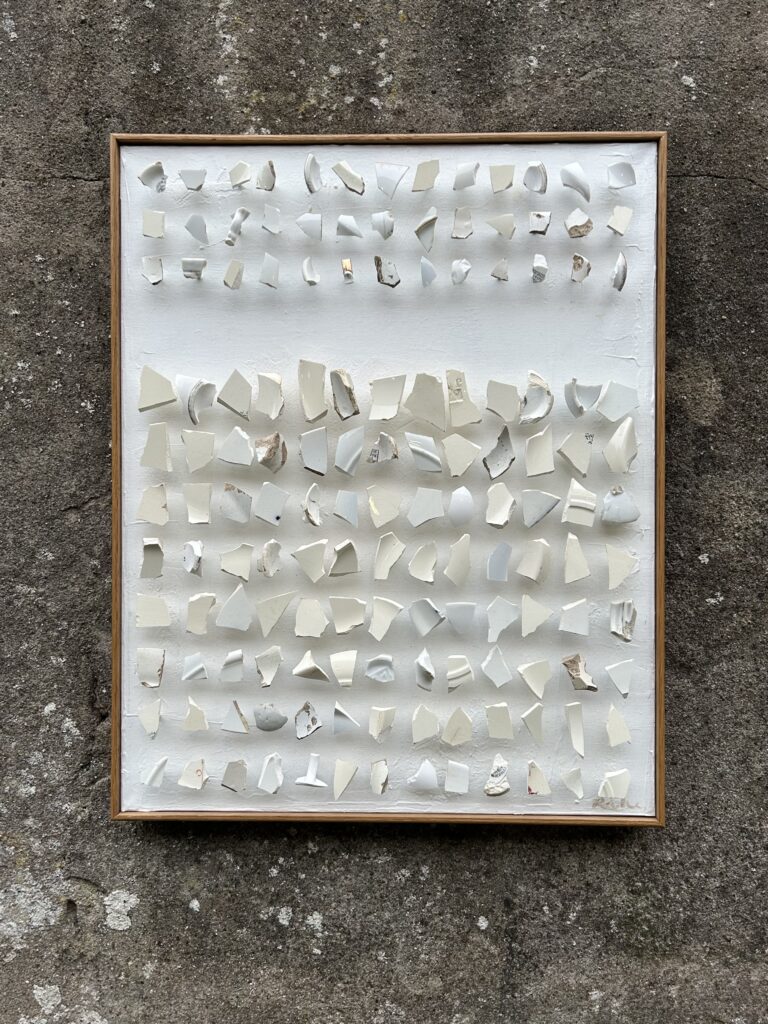
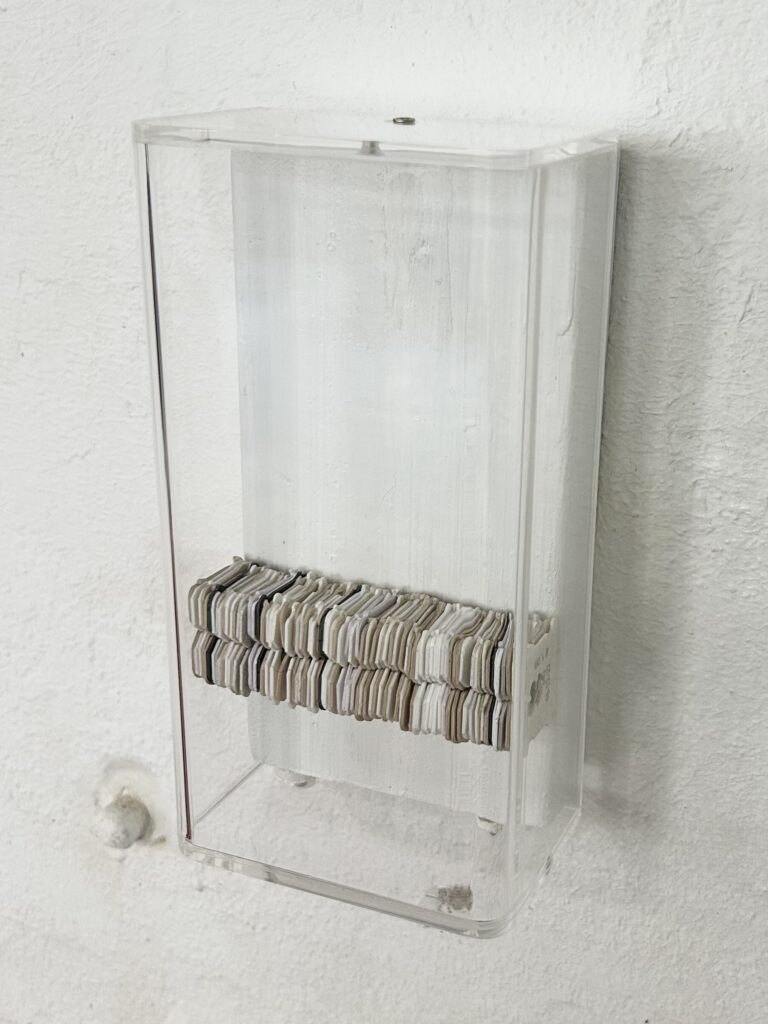
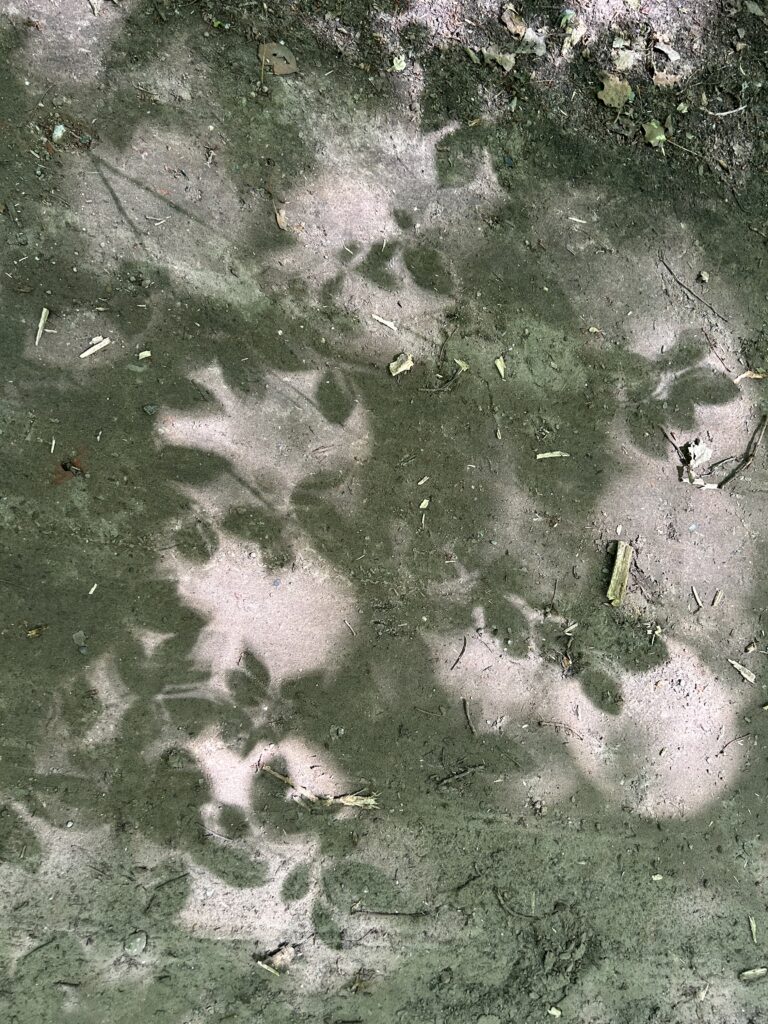
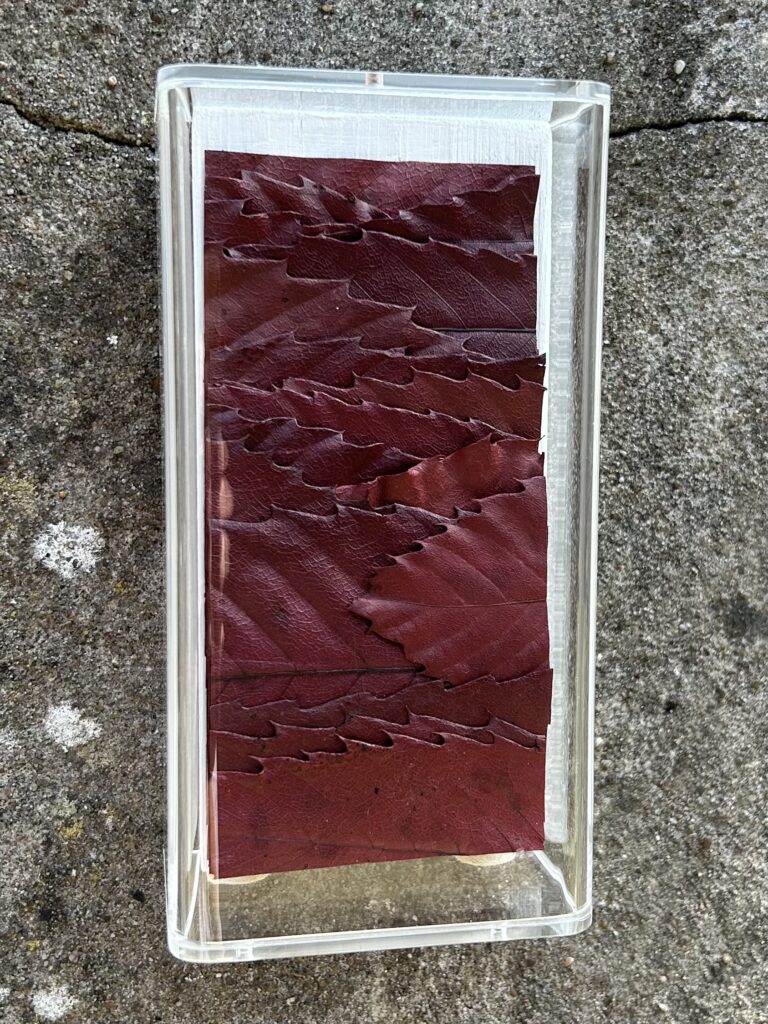
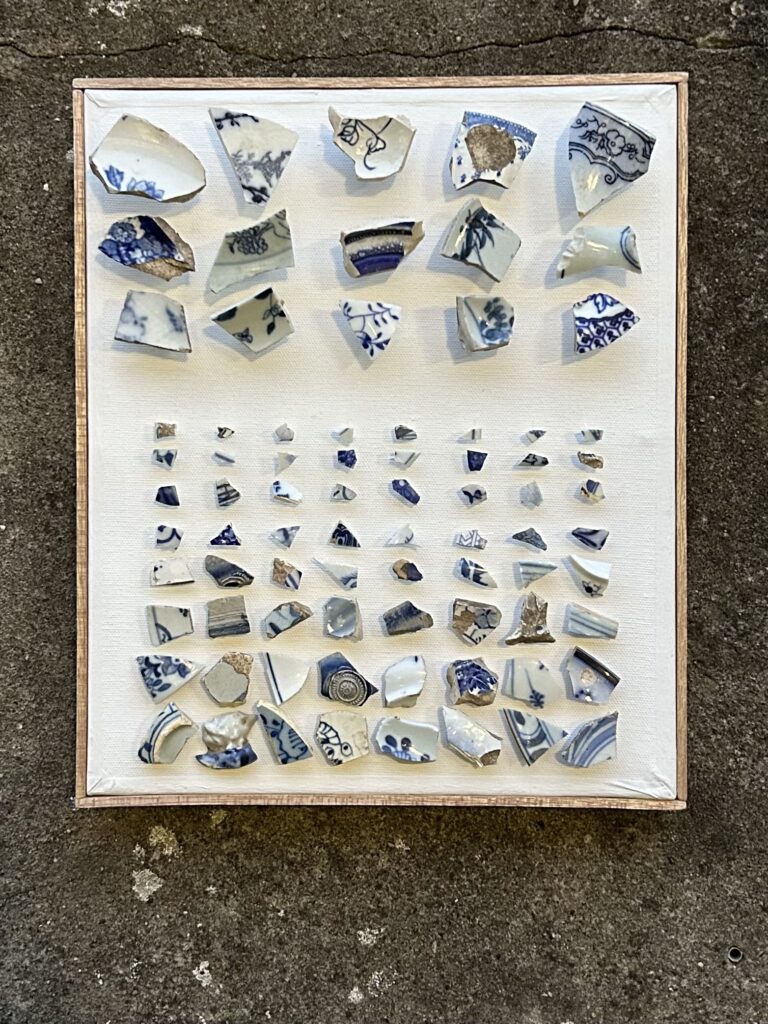
Het gebruik van wit symboliseert sereniteit, onschuld en dood. In mijn eerdere werk, ongeveer voor 2015, gebruikte ik versleten materialen. De keuze van deze materialen werd beïnvloed door mijn werk in de bouw. Ik heb nog steeds een voorliefde voor het gebruik van bouwmaterialen (klinknagels, spijkers, lood, glas). In de afgelopen tien jaar heb ik inspiratie gehaald uit de natuur, bijvoorbeeld gevallen bladeren, stukjes aardewerk, takjes en stenen. Ze zijn perfect in hun imperfectie en vergankelijkheid.
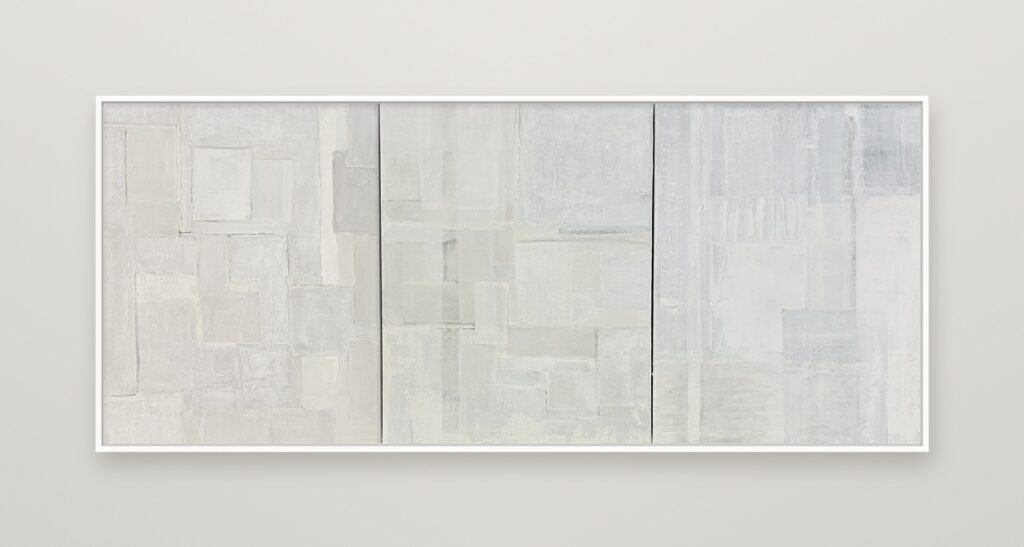
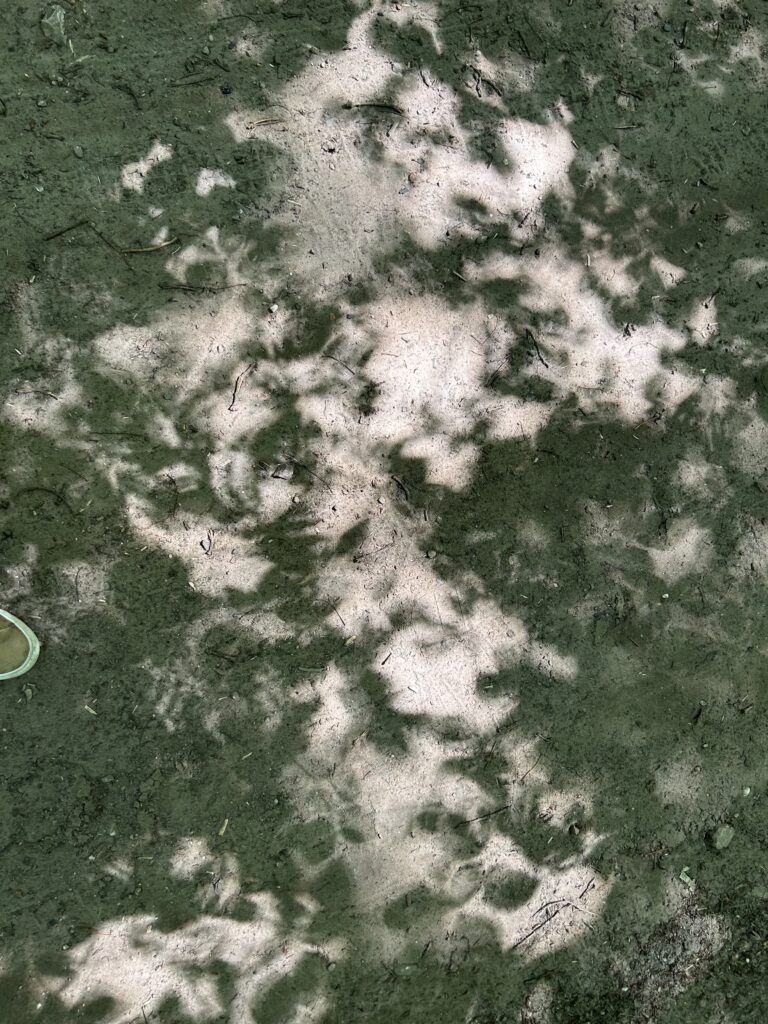
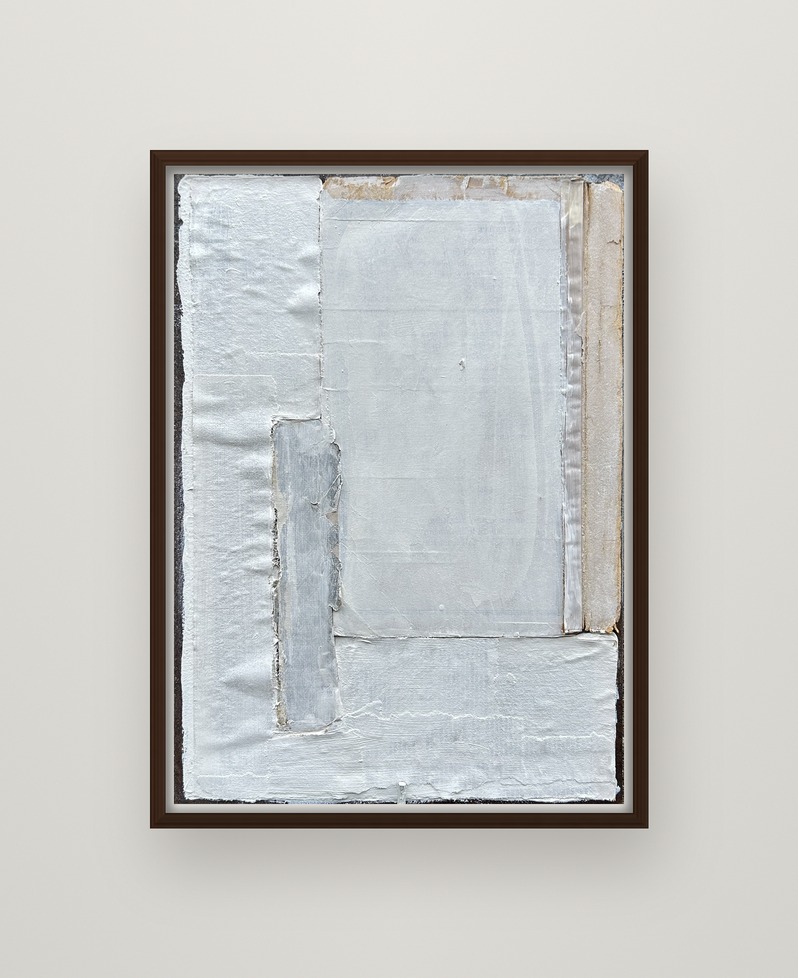
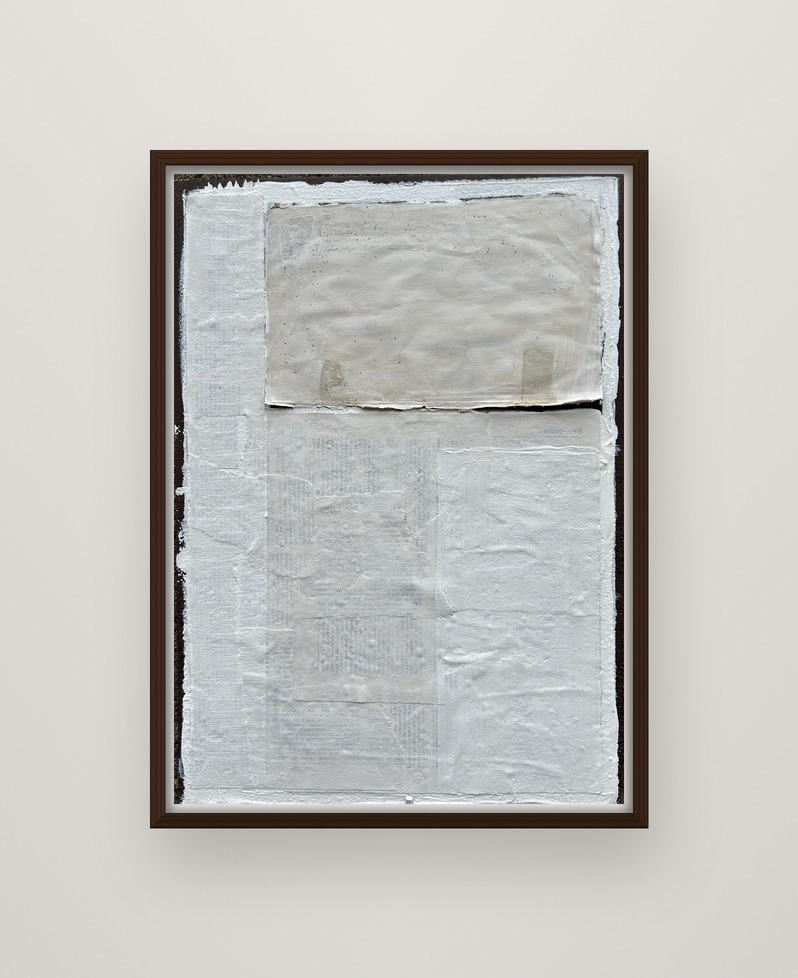
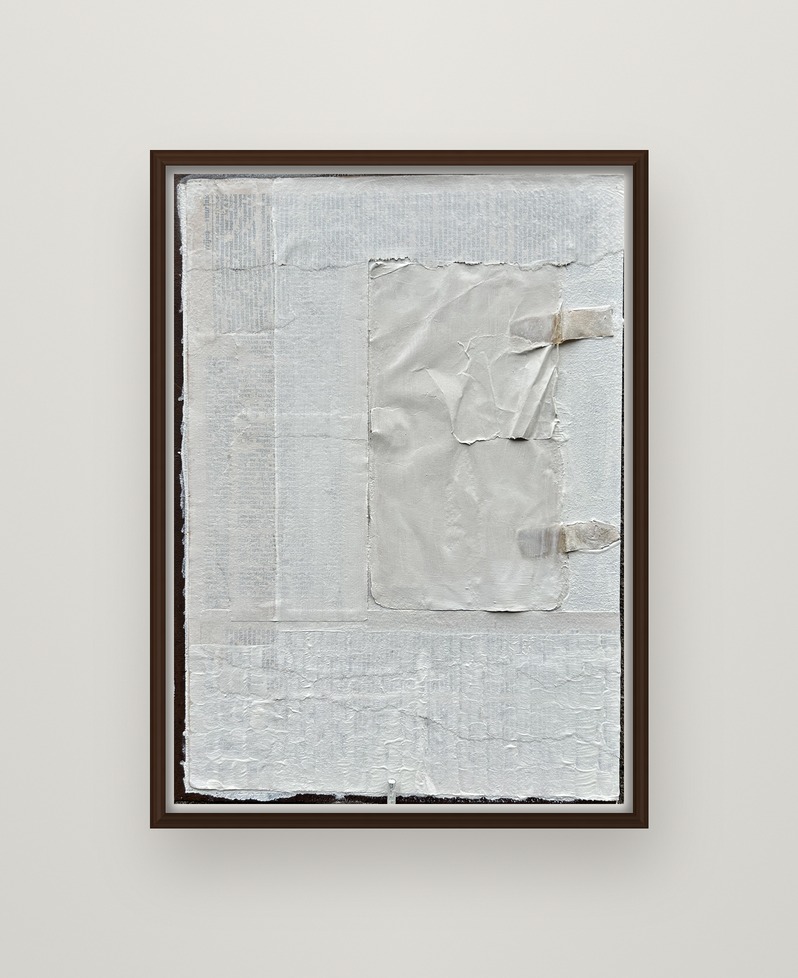
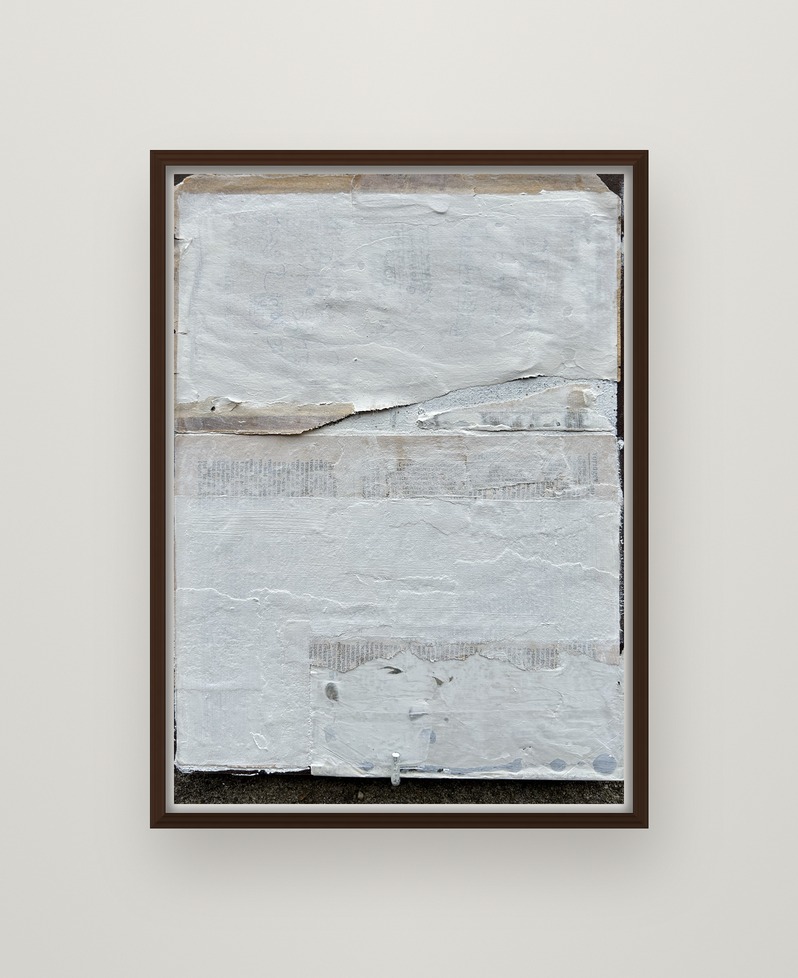
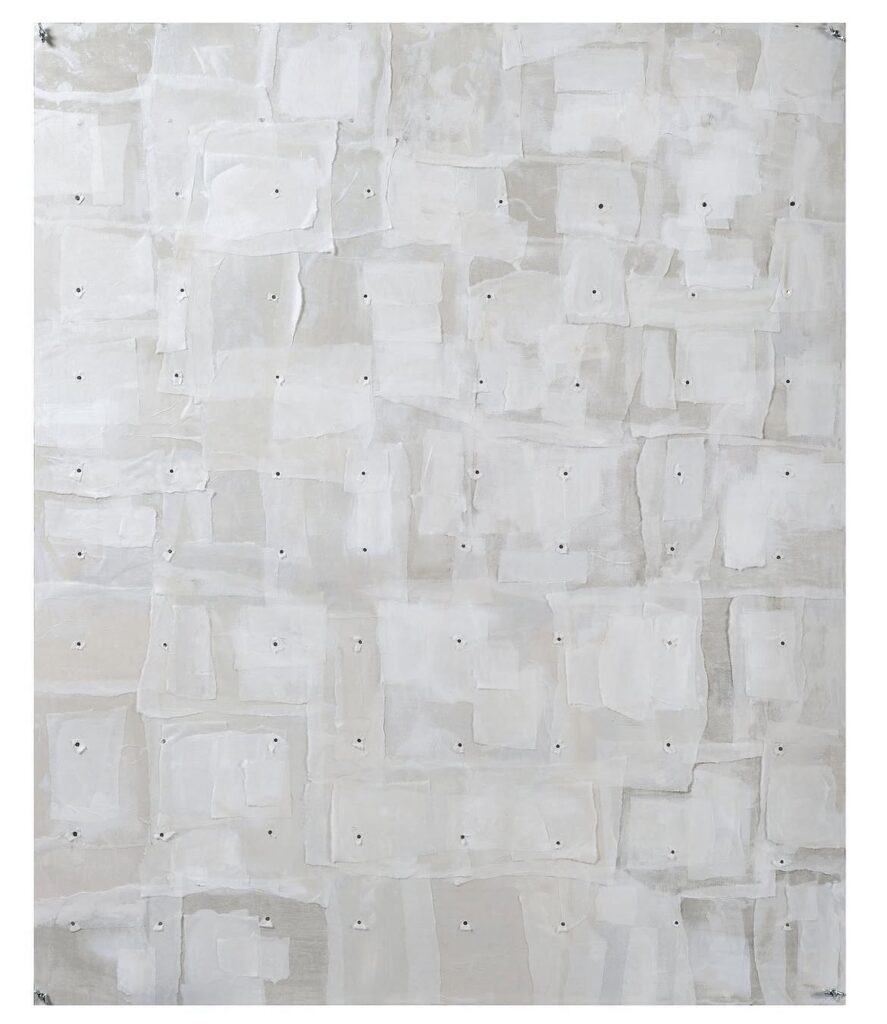
Ik put nog steeds inspiratie uit de natuur, dat vertaalt zich nu in een abstracte weergave van het landschap. Dus nu, met het gebruik van vele dunne lagen variaties in witte verf, ontstaat het verweerde en is het geëvolueerd tot vergankelijkheid en imperfectie; wabi-sabi.
De verklaring die het meest op wabi-sabi lijkt is ‘eenvoudig en onpretentieus’. Dit beschrijft slechts een beperkte dimensie van wabi-sabi. De objecten zijn aards, eenvoudig, gemaakt van natuurlijke materialen of gewoon verf en worden zelden symbolisch gebruikt.
Met mijn werk streef ik ernaar ‘wabi’ te bereiken. Wabi zijn principes en ideeën; acceptatie van verandering, het zoeken naar inspiratie uit de natuur, nederigheid, harmonie, het weerspiegelen van eenvoud, het omarmen van vormen, materialen en texturen van de aarde.
🇬🇧 ENGLISH
With my work, I shape contrasts in nature/technology, light/dark, order/chaos, life/death.
The use of white symbolizes serenity, innocence and death.
In my earlier work, roughly before 2015, I used worn materials. The choice of these materials was influenced by my work in construction. I still have a fondness for using building materials (rivets, nails, lead, glass). In the last 10 years I drew inspiration from nature, for example fallen leaves, shards of pottery, twigs and stones. They are perfect in their imperfection and transience.
I still draw inspiration from nature, it now translates into an abstract representation of the landscape.
So now, with the use of many thin layers of variations in white paint, the weathered is created and has evolved into transience and imperfection; wabi-sabi.
The explanation that most closely resembles wabi-sabi is ‘simple and unpretentious’. This only describes a limited dimension of wabi-sabi. The objects are earthy, simple, made from natural materials or just paint and rarely used symbolically.
With my work, I aim to achieve ‘wabi.’ Wabi are principles and ideas; acceptance of change, the search for inspiration from nature, humility, harmony, reflecting simplicity, embracing forms, materials and textures from earth.